Coldwater Pass
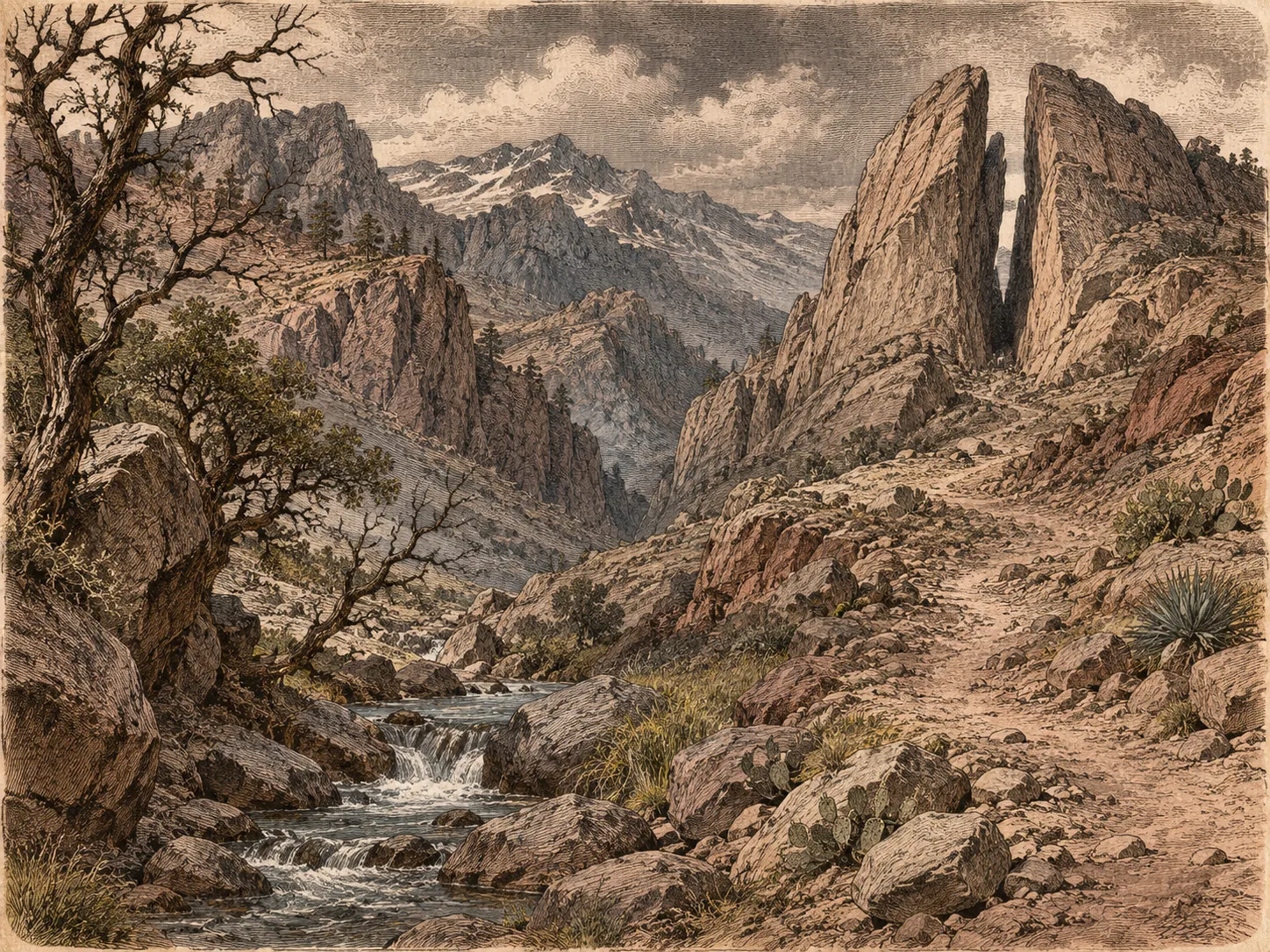
North of Redstone Crossing, the mountain pass rises through rough country. It is central to Coldwater Pass, the first Lovett Western.
Explore location ↗ Arizona Territory · circa 1882
The roads turn north into granite and pine, east toward the homesteads, and outward into country that the town can never entirely govern.
Explore the Territory ↘A world beyond the town
Redstone Crossing sits at the meeting point of its people and the country around them. The nearby roads, ranches, creek crossings, and mountain pass matter to daily life as much as the buildings along Front Street.
Our illustrated guide follows the geography established in Coldwater Pass. Additional regions will be added as new books make their locations public; illustrations alone do not create new facts about the territory.
Three places to begin
Follow the road, trace a family's home, or return to town. Each location is an entrance to the larger Lovett Western world.
North of Redstone Crossing, the mountain pass rises through rough country. It is central to Coldwater Pass, the first Lovett Western.
Explore location ↗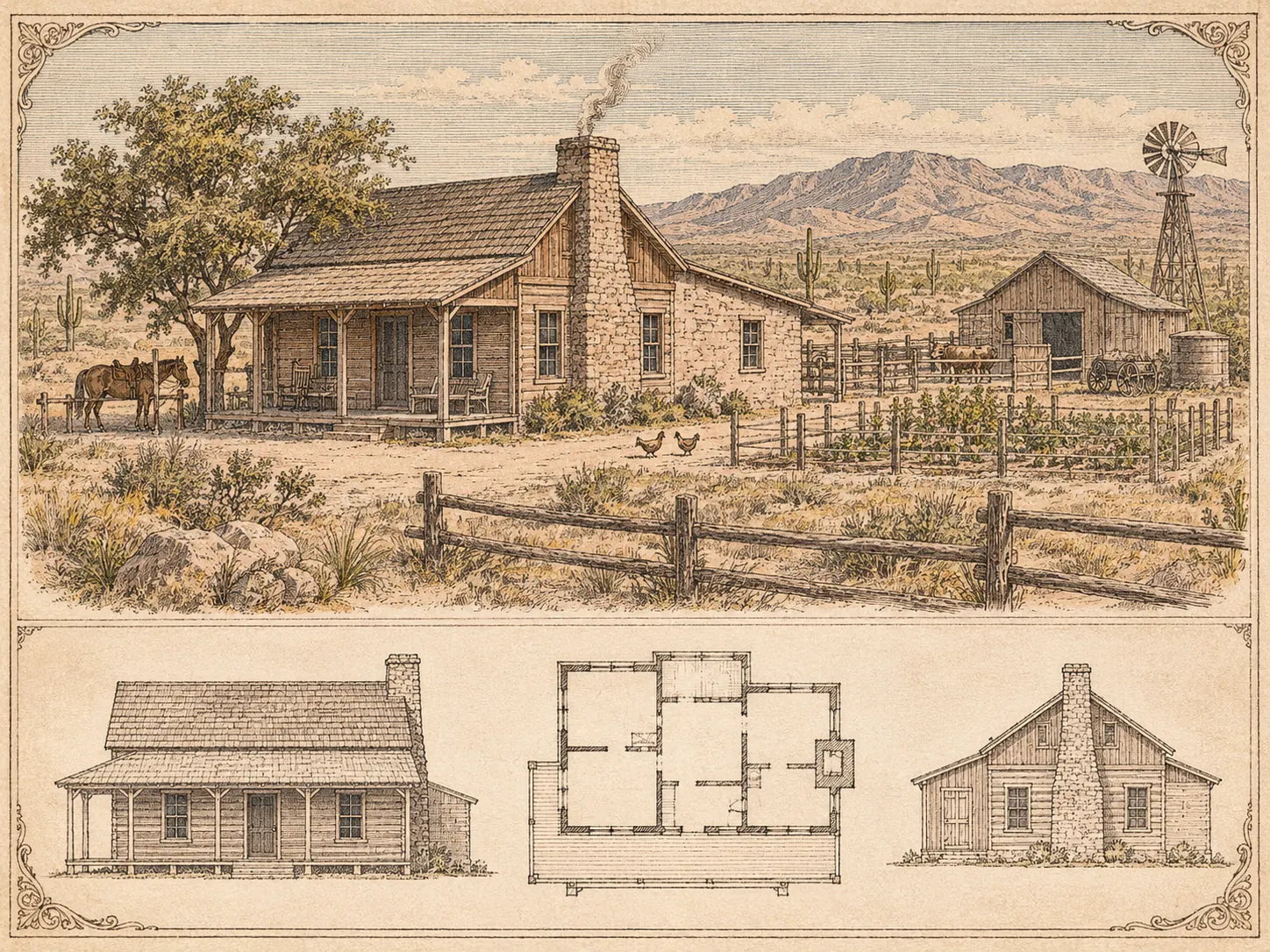
East of town, the Lovett household anchors Jesse and Levi’s family history. The precise appearance of the buildings remains an artistic interpretation.
Explore location ↗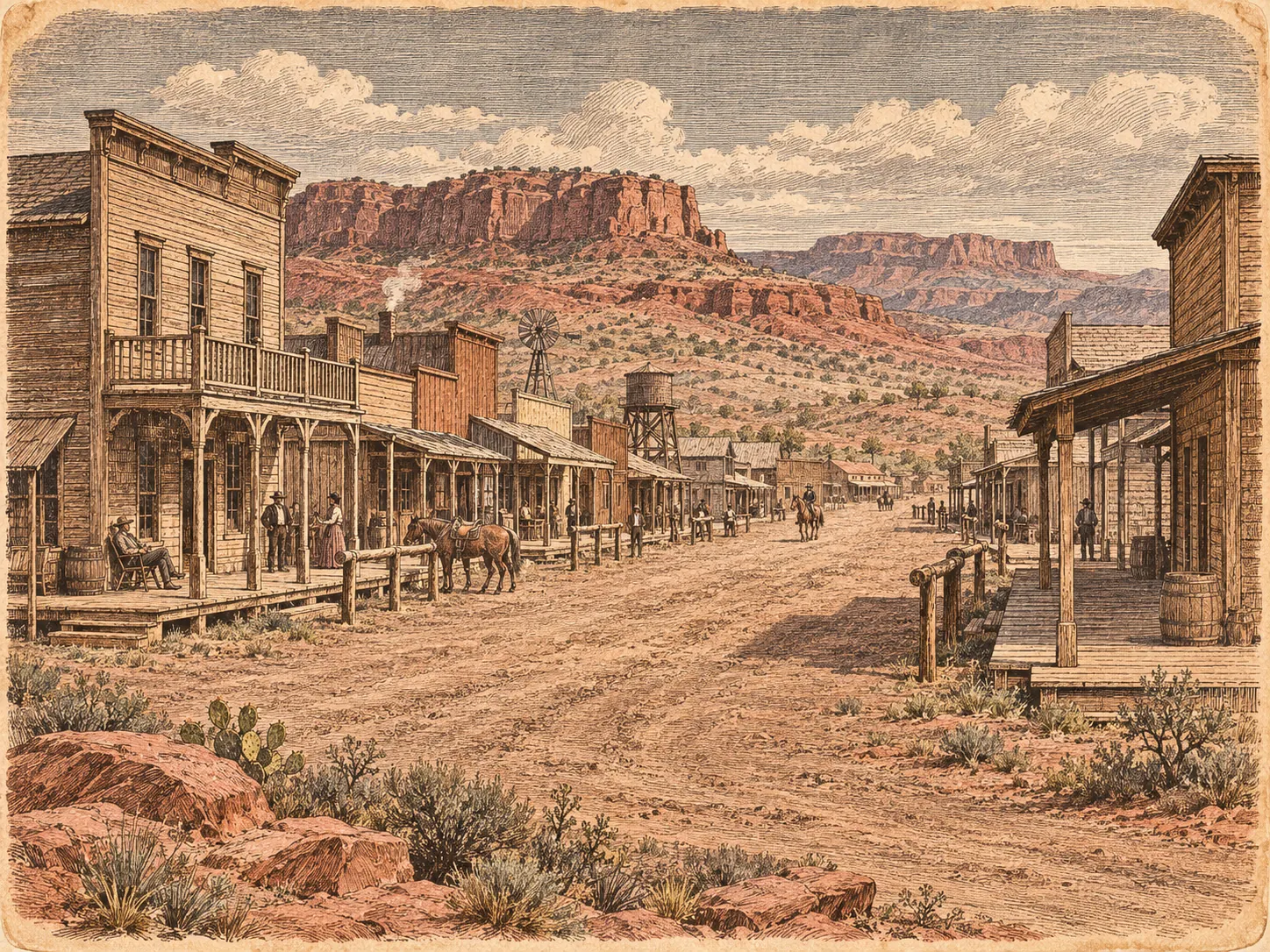
A town of roughly three hundred people when Book One opens—a place where the roads and people of the surrounding territory meet.
Explore location ↗The geography of a story
The photographs and illustrations suggest the rugged setting, but they are not surveys. The exact courses of trails, waterways, and property boundaries must remain consistent with the books and private continuity records.
We will make the geographic atlas interactive when the author has approved a reliable map, rather than supplying invented coordinates.
Walk the town ↗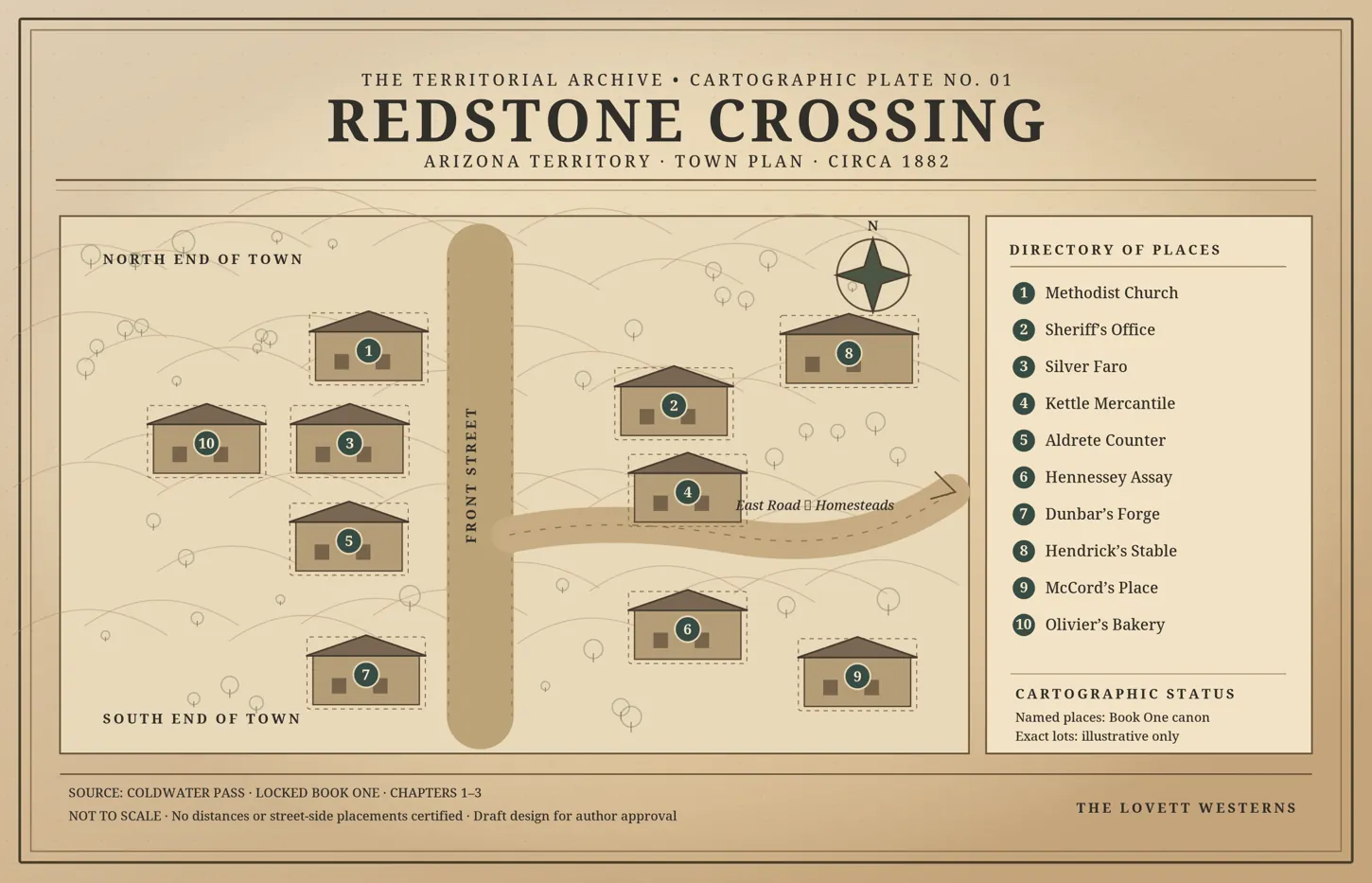
The photograph archive
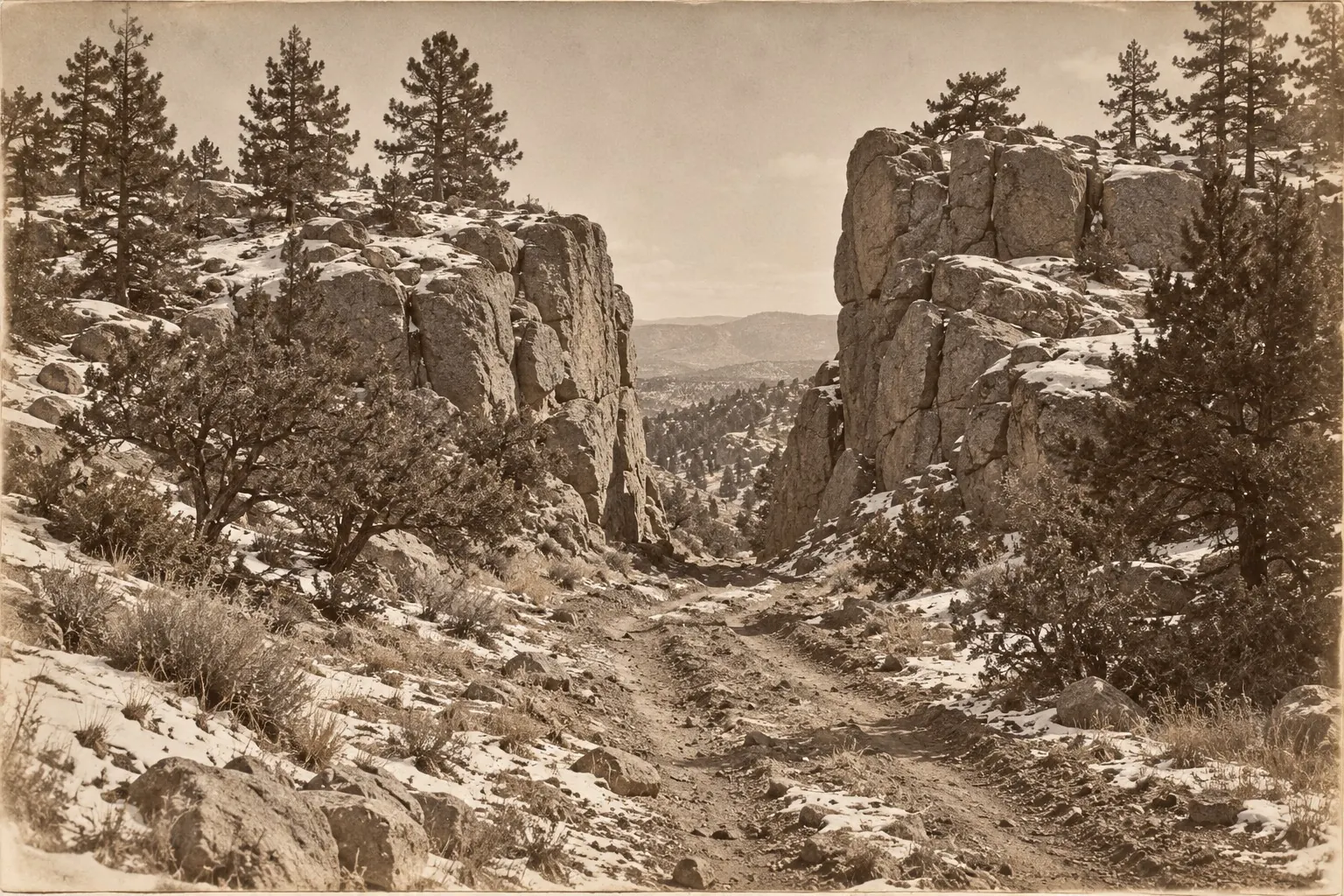
Coldwater Pass
View archive plate ↗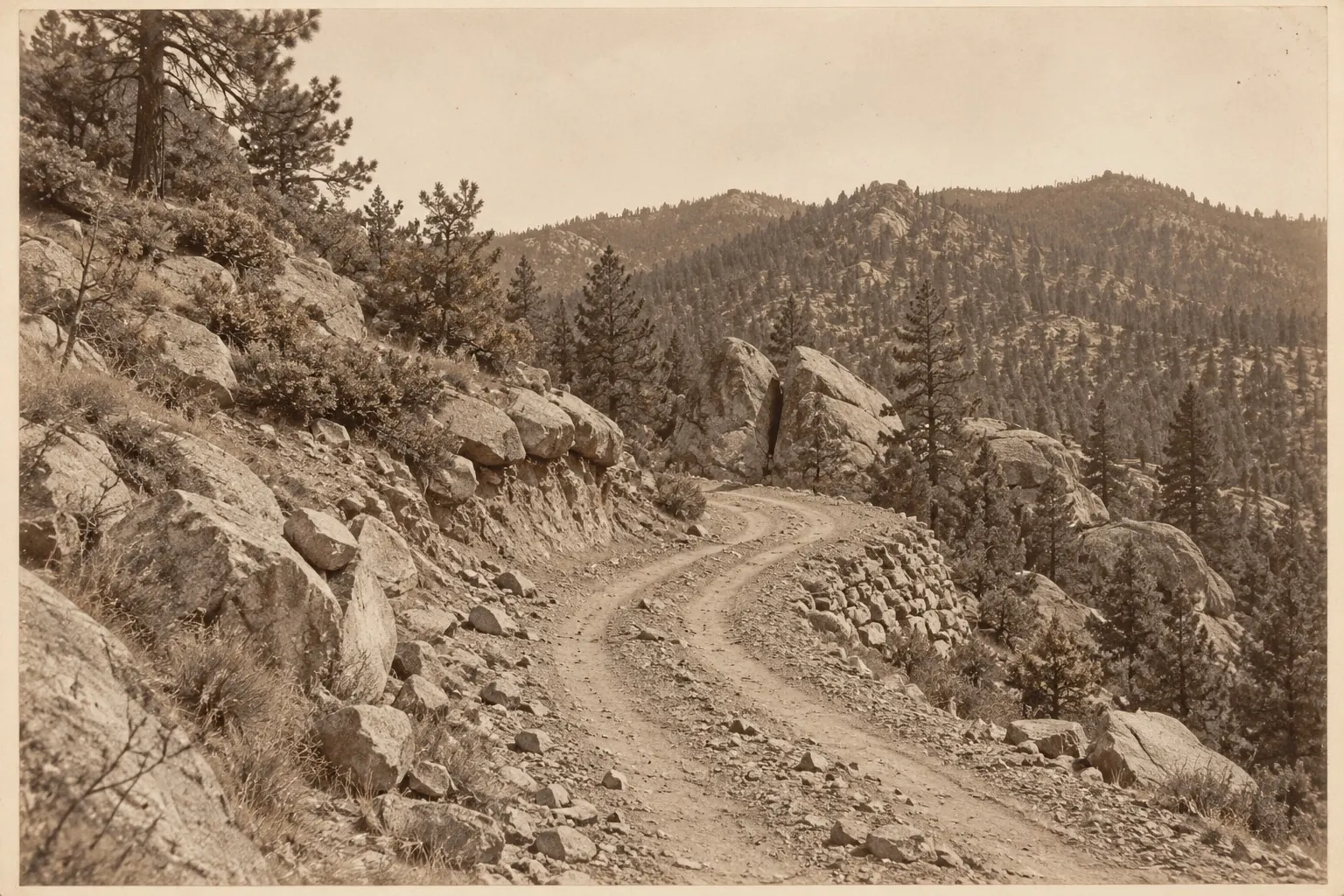
Approaching Coldwater Pass
View archive plate ↗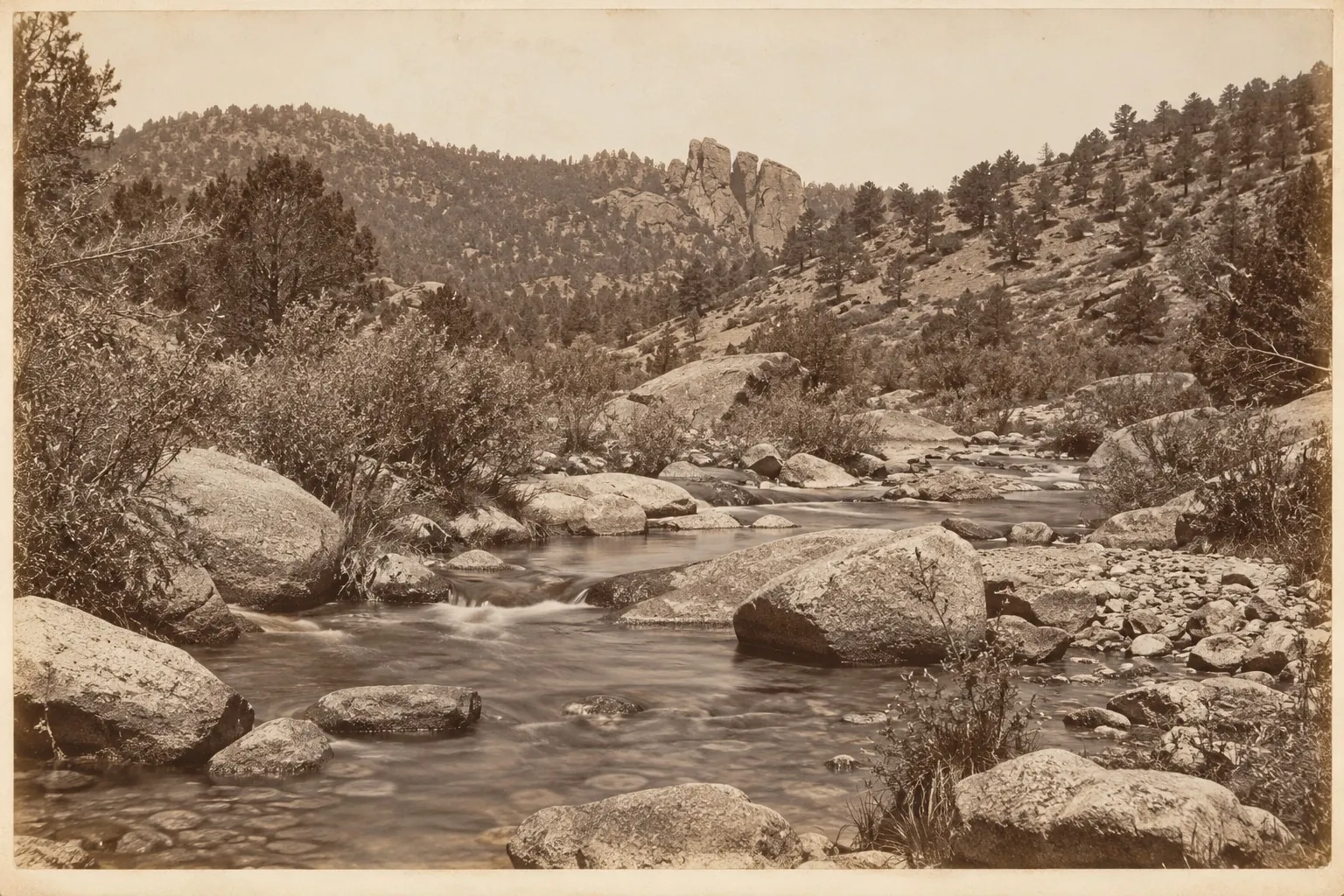
North of Redstone Crossing
View archive plate ↗All photographs in this collection are AI-generated fictional reconstructions, not real nineteenth-century documentary evidence and not additions to series canon.
Explore the full photo archive ↗